
- Prostate cancer has significant negative sexual and psychological effects on patients and their partners, and their relationships – these can be mitigated with enthusiastic and effective rehabilitation.
- Rehabilitation is most successful when provided from a biological as well as psychosexual perspective.
- Providers have a responsibility to educate patients and partners about the sexual side-effects of prostate cancer treatment and direct them to physical as well as psychological/couple rehabilitation resources.

- This event has passed.
Session at the Congress of the Societe International d’Urologie (SIU)
October 31, 2025 - 10:30 am - 11:59 am
Title: Sexual Health Post-Prostate Cancer
Key Takeaways
Program
10:30 – 10:35 AM
Introduction about the background of the International Guidelines, including the guiding principles and methods
Michael Kirby
10:35-10:45 AM
Scope of the statements ISSM & Movember Initiative
Michael Kirby
10:45-11.05 AM
A case presentation will highlight statement 1. The case will illustrate the impact of prostate cancer treatment on the patient and the partner, and on the couple’s sexual relationship. Physical and psychological impacts will be discussed as well as opportunities for physical and psychosexual rehabilitation. Pre-treatment education will begin the path of recurring discussions with the patient and the partner to ensure optimal support during survivorship.
Michael Kirby & Isabel White
11:05-11:20 AM
Special issues in prostate cancer – hormone supplementation and fertility preservation
Tet Yap
11:20-11:30 AM
Presentation of the ISSM & Movember collaboration to facilitate the dissemination of the guidelines to clinicians, and to implement the guidelines in clinical care.
Run Wang
11:30-11:59 AM
Q&A and discussion with the audience.
All speakers
Speakers

Michael Kirby, MBBS, LRCP, MRCS, FRCP

Isabel White, Psychosexual Therapist (Specialist Oncology) PhD, MSc,
P/G Dip Psychosexual Therapy, BEd (Hons), RNT, DipLSc, RGN, Onc cert.
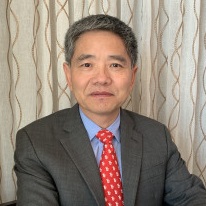
Run Wang, Professor of Urology
Director of Sexual Medicine Fellowship Program University of Texas; MD Anderson Cancer Center and McGovern Medical School, Houston, USA